
The Vine: March 23, 2026
“Abide in me as I abide in you. Just as the branch cannot bear fruit by itself unless it abides in the vine, neither can you unless you abide in me. I am the Vine, you are the branches. Those who abide in me and I in them bear much fruit, because apart from me you can do nothing”
This is a weekly reflection on the previous week’s sermon text. Each week there will be a devotional related to the scripture for the week, along with questions for reflection/discussion, as well as prayer. Feel free to make this a part of your individual spiritual growth throughout the week or utilize in small group settings (growth groups, Sunday school, etc.)
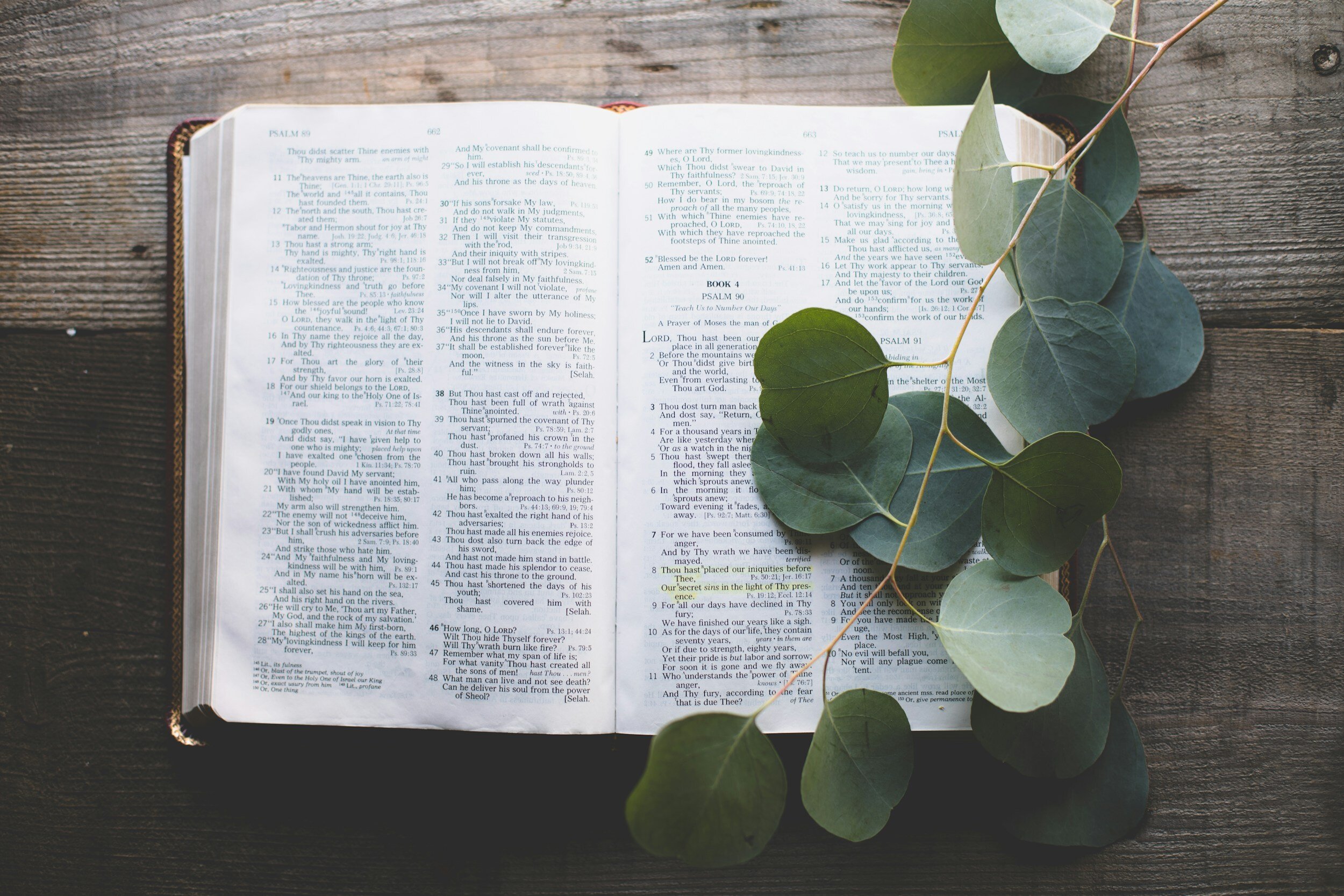
Matthew 9:14-17
“Then John’s disciples came and asked him, ‘How is it that we and the Pharisees fast often, but your disciples do not fast?’ Jesus answered, ‘How can the guests of the bridegroom mourn while he is with them? The time will come when the bridegroom will be taken from them; then they will fast. No one sews a patch of unshrunk cloth on an old garment, for the patch will pull away from the garment, making the tear worse. Neither do people pour new wine into old wineskins. If they do, the skins will burst; the wine will run out and the wineskins will be ruined. No, they pour new wine into new wineskins, and both are preserved.’”
In Matthew 9, the disciples of John the Baptist came to Jesus with a question about fasting — and beneath it, a quiet accusation. John’s disciples and the Pharisees were devout religious people. They fasted regularly—likely twice a week—as an expression of their commitment to God. Fasting was a good and meaningful practice, intended to deepen devotion and turn the heart toward God. But when they looked at Jesus’ disciples, they saw something troubling. His followers were not fasting at all. Instead, they were eating and drinking.
Their question carried an edge: people serious about God fast. Why don’t yours?
Jesus answers not with an explanation, but with three images.
First, Jesus says, “The bridegroom is here.” In the Hebrew scriptures, God is described as the husband of Israel, and Israel as his beloved bride. John the Baptist referred to Jesus as the bridegroom—and so does Jesus himself. By doing so, both John and Jesus are making an extraordinary claim: the one you have been fasting for—the one your longing and devotion have been reaching toward—is now present. And when the bridegroom is in the room, everything changes.
Jesus’ disciples were not fasting. It was not because they were less devoted. It was because they were with the one who loved them.
Fasting, at its heart, is about longing for God. But when God is no longer distant—when he is present—longing gives way to joy. We do not mourn at a wedding. We celebrate.
Jesus presses even deeper with two more images: a new patch on an old garment, and new wine poured into old wineskins. These are not illustrations about improvement. They are about transformation. A life built on earning, measuring, and proving cannot contain the extravagant grace of God. Neither the patch nor the old wineskin can stretch to hold the new life Jesus proclaims.
This question—“Jesus, why don’t your disciples fast?”—echoes a deeper question that quietly shapes much of our spiritual lives: “Am I enough?” Like John’s disciples, this question often hides beneath our own practices, our prayers, and even our spiritual disciplines—especially when we lean more toward a performance-based spirituality rather than a grace-based faith.
Tim Keller explains, “Religion says: I obey; therefore, I am accepted. Christianity says: I am accepted; therefore, I obey.” Both may involve fasting, prayer, and devotion—but one is practiced to earn God’s favor, while the other flows freely from a heart that has already received it.
In The Ragamuffin Gospel, Brennan Manning reflects this key insight: “The gospel declares that no matter how dutiful or prayerful we are, we can’t save ourselves… but what Jesus did is sufficient.”
Thanks be to God, Jesus is more than enough!
Prayer:
Lord Jesus, Bridegroom of our souls, clear our thoughts and calm our striving hearts. Where we have measured ourselves, comparing and performing, gently lay those burdens down. Loosen our grip on the old wineskins—the habits of earning, proving, and striving—and make us new, that we might receive the new wine of your grace. On the days when we feel not enough, remind us that we are already yours—delighted in, dwelt within, and deeply loved. Amen.
QUESTION FOR REFLECTION:
1. Jesus describes himself as the bridegroom. What does this image reveal about the kind of relationship God desires with us? How does it change the way you think about spiritual practices like fasting?
2. Consider the images of the unshrunk patch and new wineskins. What do these tell us about the kind of transformation Jesus brings? In what areas of your life might God be calling you toward something new rather than merely repaired?
3. Read and compare this story as found in Matthew 9:14–17, Mark 2:18–22, and Luke 5:33–39. What differences do you notice? What additional insights do Mark and Luke offer about this encounter? (Note especially Luke’s unique addition in 5:39: “No one after drinking old wine wants the new, for they say, ‘The old is better.’” What does that tell us about our own resistance to grace?)
4. Where do you find yourself slipping into performance spirituality—trying to earn or prove your worth before God? What would it look like to live this week from a place of grace instead?
PREVIOUS WEEKS

To view all previous devotions go to https://fumc-rr.org/the-vine